Thinning Hair in Women: What's Behind It
Is your hair getting thinner after pregnancy, during menopause, or under stress? I'll show you what's behind it and what you can do about it.
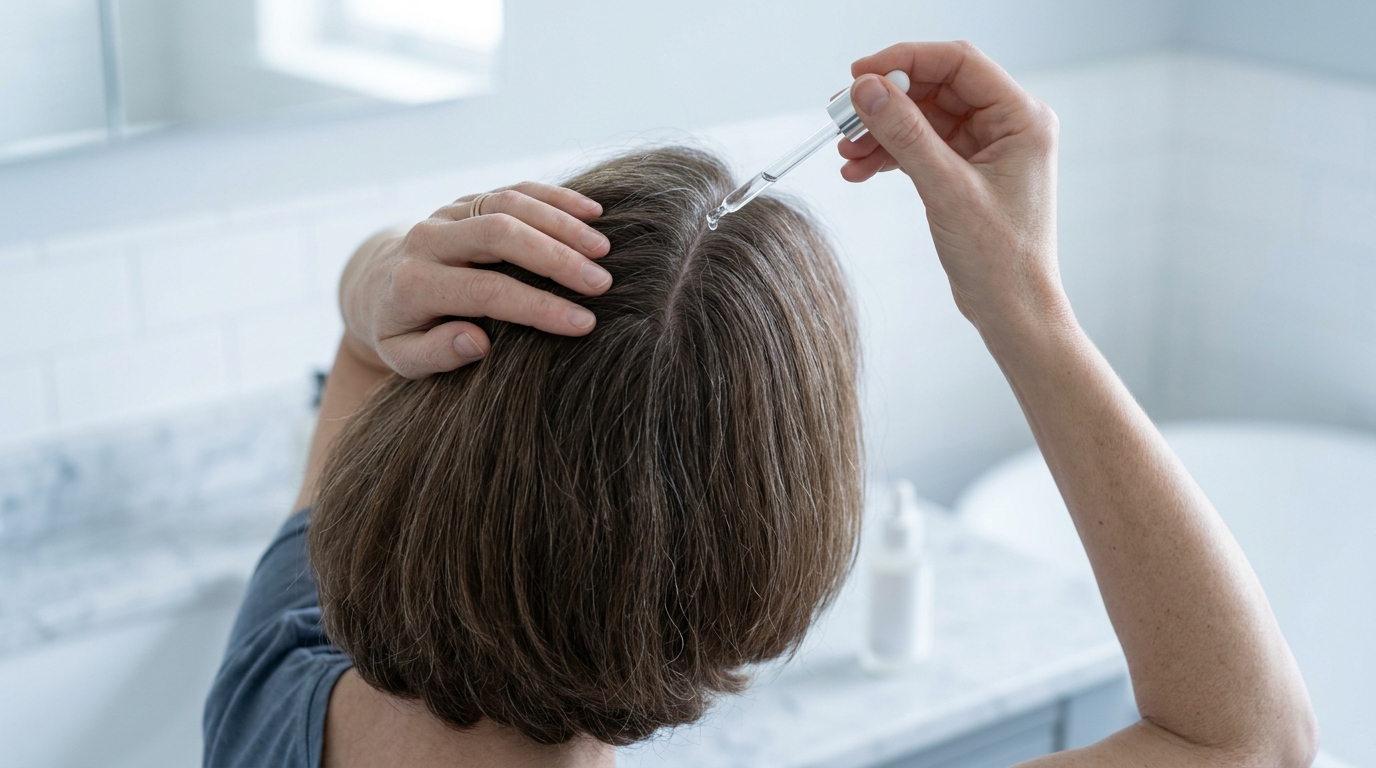
"That's hormonal, there's nothing you can do about it."
Judith was sitting with her gynaecologist when she heard those words. Judith, 52, had brought up her hair. Something had changed lately. Wasn't the clump of hair in the drain bigger than it was two years ago? And in the selfie her sister took at the last birthday party, doesn't her parting look noticeably wider than before? And then there's the style itself, what holds in the morning hangs flat against her head by the afternoon.
Even if Judith won't like hearing it, her gynaecologist's comment isn't entirely wrong. It's half right. Hormones do play a role, that's true. With the rest I'm less on board, because it's a blanket statement. What can Judith learn from this, what can you? Nothing. Without understanding, every measure, every change remains a guessing game with shampoos, treatments and capsules that leaves the bathroom cabinet fuller and the wallet emptier.
Hair isn't a vital organ. And yet losing it cuts deep into identity and self-worth. My wife Christine spent several years locking herself in the bathroom in the evenings to count her fallen hairs, and to this day I don't know how much money we spent during that time on shampoos, tinctures and supplements. Anyone who dismisses hair loss as superficial vanity has never witnessed it up close. Today Christine is 60 and has more hair (and healthier hair) than she did ten years ago. Thinning hair is not, in my view, simply fate. In this article I'll explain why hair density decreases in women, how diffuse hair loss differs from hereditary hair loss, and why certain blood values can genuinely point you in the right direction.
AT A GLANCE: Hair looks thinner when fewer hairs are growing on the scalp or when individual hairs become finer. In women, two processes are usually involved, and they can overlap. With diffuse hair loss, a trigger such as childbirth, infection, a restrictive diet or prolonged stress causes more hairs to shift into the resting phase at the same time, falling out two to three months later. With hereditary hair loss, hairs gradually regrow finer over time. A blood panel can help you identify causes that are actually addressable. In a British study measuring 377 women, hair density fell on average from 293 to 211 hairs per square centimetre between the ages of 35 and 70. Before the age of 50, 6% of women showed the pattern of hereditary hair loss; by age 70, that figure was 38% (Birch et al., 2001). As of November 2026.
Why Does Women's Hair Get Thinner Over the Years?
The rise in women experiencing genetically driven hair loss with age makes sense once you take a closer look at the follicle itself. Every scalp hair grows from a hair follicle, a tiny invagination of the skin with its own blood supply, its own stem cells, and its own growth rhythm. That rhythm has three phases. During the growth phase, the so-called anagen phase, the follicle produces a hair shaft over the course of several years. A brief transitional phase follows, and then comes the resting phase. Doctors call it the telogen phase. It lasts around three months (Malkud, 2015). After that, the hair falls out, and ideally the next new hair is already pushing up from below. This interplay of growth, rest, and renewal explains why a certain amount of daily hair loss is completely normal.
What we call hair density is actually made up of two variables. One is the number of active follicles per square centimetre. The other is the diameter of each individual hair. The latter is almost always underestimated. A ponytail can become visibly and noticeably thinner even though hardly any follicles have been lost. Simply because the hairs grow back finer. In a study from Sheffield in England, the hair count for most of those affected by hair loss still fell within the normal range, albeit in the lower half. When these women were compared with women who had the same number of hairs but no hair loss, however, a difference emerged that could be partly explained by the smaller hair diameter (Birch et al., 2001).
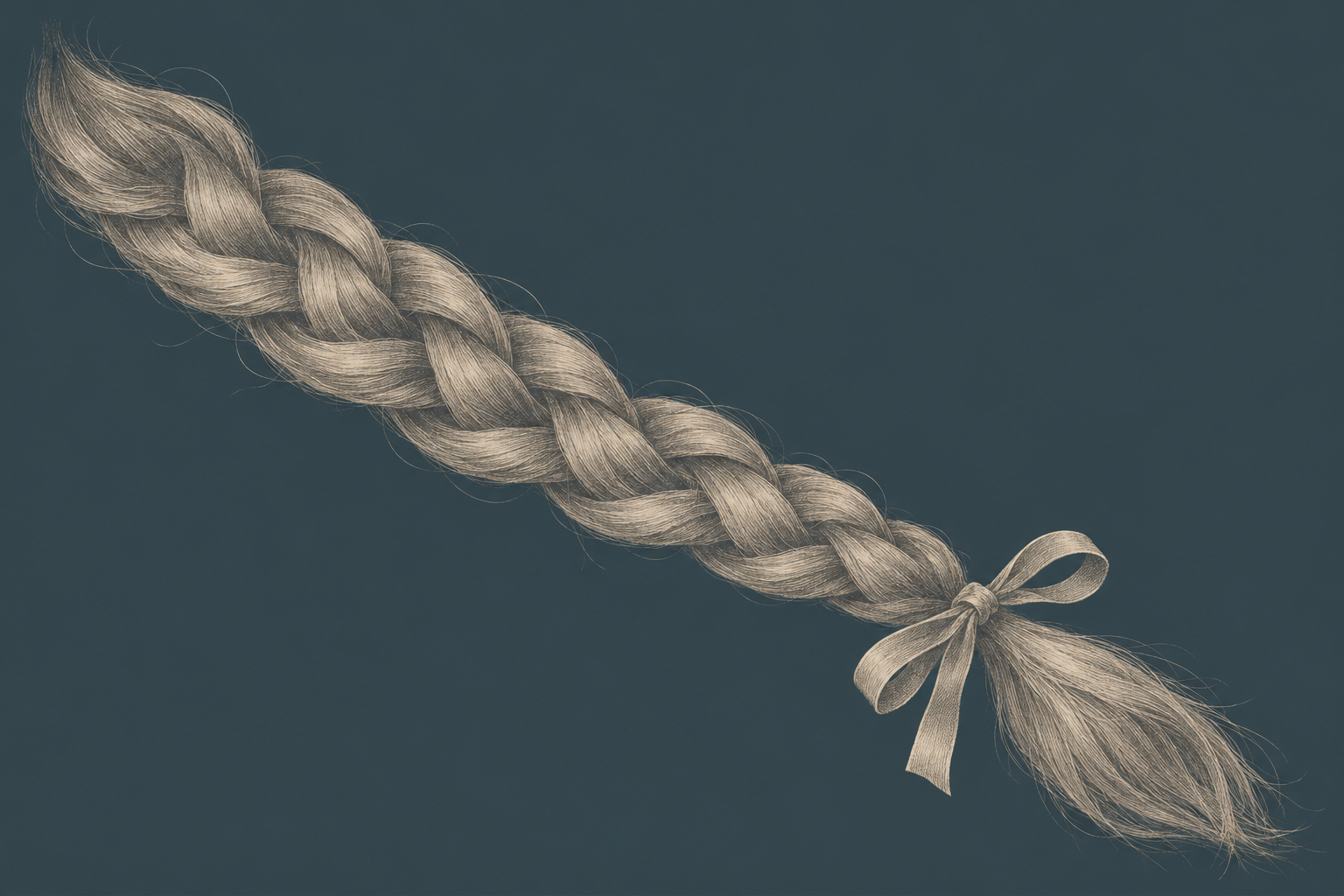
A ponytail can become visibly and noticeably thinner even though hardly any follicles have been lost.
Hair density, then, is an equation with two variables. Which of them tips out of balance in your case determines the type of hair loss you are dealing with.
In diffuse hair loss, the first variable collapses: the number of actively growing hairs. Doctors refer to this as telogen effluvium, meaning an increased shedding of hairs from the resting phase. A trigger sends an unusually large number of follicles into the telogen phase all at once. Because that phase lasts around three months, the hairs do not actually fall out until some time later.
In pattern hair loss, it is the second variable that is affected: hair diameter. Specialists call it female pattern hair loss or androgenetic alopecia. The key concept here is miniaturisation. Gradually, the growth phase shortens, and the follicle produces a slightly thinner, shorter, often lighter hair. The follicle transforms step by step into a miniaturised version of itself (Price, 2003). A strong terminal hair becomes a fine vellus hair that barely covers the scalp any longer.
| Feature | Diffuse (telogen effluvium) | Pattern (androgenetic) |
|---|---|---|
| Onset | often sudden, two to three months after a trigger | gradual over years |
| Distribution | entire scalp | crown and central parting |
| Hair quality | hairs normal in thickness | fine and thick hairs side by side |
| Hairline | unchanged | usually preserved |
| Brush and drain | noticeably more hairs than usual | often unremarkable |
| Course | usually reverses once the trigger is removed | progressive without intervention |
Why Does Hair Fall Out After Pregnancy?
During pregnancy, hormonal changes keep more hairs in the growth phase for longer than usual, which is why many women experience the fullest hair of their lives while expecting. After birth, hormone levels shift, and those hairs move into the resting phase together (Gizlenti and Ekmekci, 2014). How long does this last? A Japanese survey of 331 mothers found that shedding began on average just under three months after birth, peaked at five months, and had resolved by eight months (Hirose et al., 2023). Only one in five of the women contacted actually responded, however.
If you're finding noticeably more hair in your brush in the months after giving birth, your hair cycle is most likely recalibrating. I would still recommend having your ferritin and TSH checked at your postnatal follow-up, because pregnancy and menstruation before menopause are among the most common causes of iron-deficiency anaemia (Trost et al., 2006), and in around 5% of women the thyroid becomes inflamed in the first year after birth (Nguyen and Mestman, 2019). If you're still losing noticeably more hair a year after giving birth, that's something to bring to a doctor.
What Changes During Menopause?
Thinning hair during menopause rarely has a clear starting point. In most cases, the underlying cause is androgenetic hair loss, which affects anywhere from one in three to one in two women after menopause, depending on the study (Birch et al., 2001; Chaikittisilpa et al., 2022). In women, androgenetic hair loss follows a different pattern than in men. The hairline typically stays intact. Hair density decreases primarily at the crown, and the centre parting widens (Birch et al., 2002). Viewed from above, the result resembles a Christmas tree with its broad end facing the forehead (Herskovitz and Tosti, 2013). In the bathroom drain, this process is barely noticeable, by the way, because the hair tends to become finer rather than falling out in large quantities.
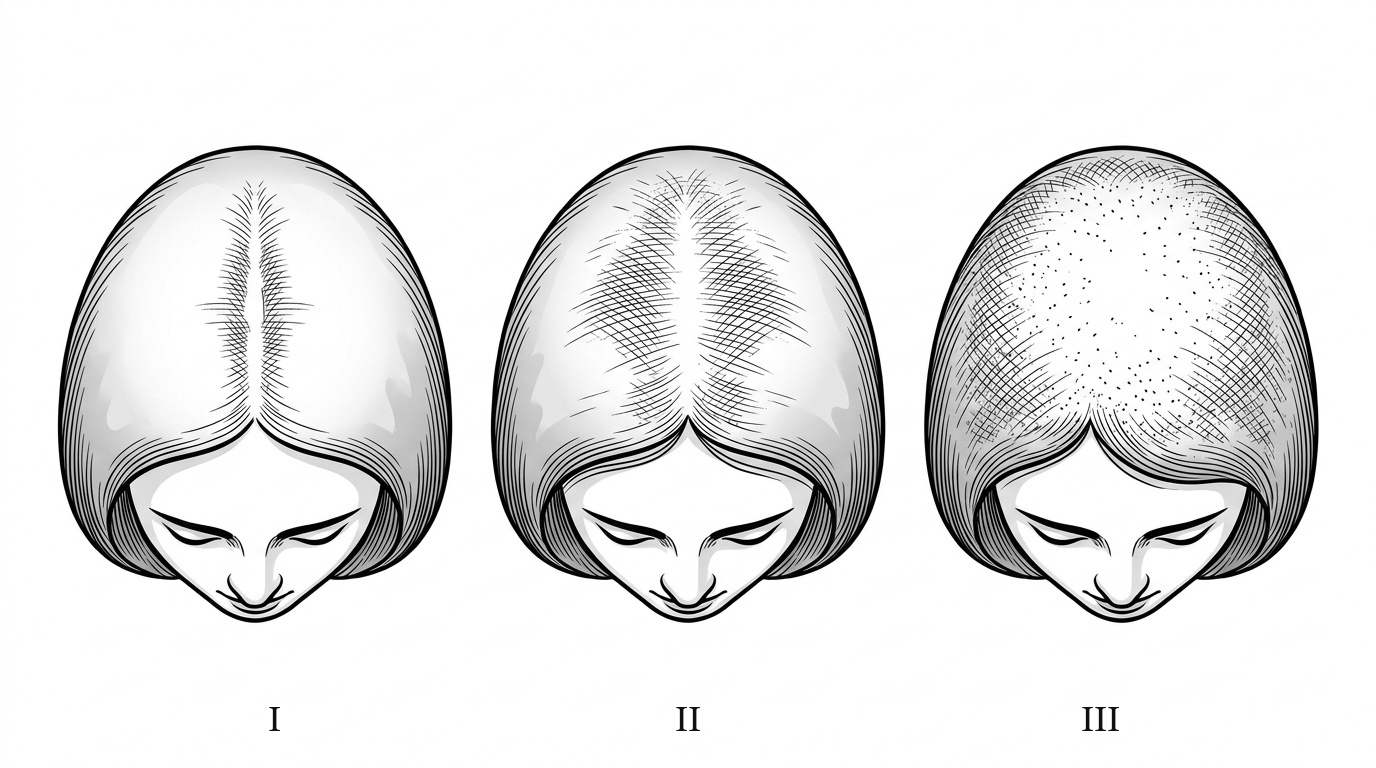
Figure: The three stages of female hair loss according to Ludwig. The centre parting widens from stage to stage, while the hairline remains intact. Complete hair loss at the crown (III) is very rare. From the hair book by Dr. Holger Scheib. (Ludwig, 1977)
Many affected women show no signs of androgen excess in their blood or elsewhere in the body (Birch et al., 2002). Most have also had normal cycles and normal pregnancies (Price, 2003). The trigger for this type of hair loss lies less in hormone levels and more in the follicle itself. That is why a full hormone panel rarely tells us much when the only finding is a wider parting with no other abnormalities. It only adds value when signs of androgen excess are also present, such as increased body hair, severe acne, or irregular cycles (Kamp et al., 2022).
Once you understand that, Judith's gynaecologist's remark starts to make a lot more sense. The genetic predisposition cannot be changed, true. The environment in which a sensitive follicle operates, however, can.
So what role do menopause itself play? How quickly hair grows and how thick it is are both connected to it. The number of hairs, on the other hand, was not linked to menopause in the women studied who had no hair loss (Mirmirani, 2011). My wife's fuller hair is something I put down to the nutrient supply reaching her hair follicles. One woman proves nothing, of course. But she shows me that we are not simply at the mercy of menopause.
Hormone replacement therapy is not indicated for hair loss alone based on current evidence (Lee et al., 2026). Whether it makes sense for you because of other symptoms is a conversation to have with your gynaecologist.
If your hairline is receding at the temples and forehead while your eyebrows are also thinning, please see a dermatologist soon. There may be a scarring form of hair loss behind it, one that affects women after menopause in particular (Vañó-Galván et al., 2014).
Can Stress Make Your Hair Thinner?
Yes. Though when I talk about stress, I mean more than a packed schedule. For me, stress is anything that throws the normal biochemistry of our body out of balance. Typical triggers tend to sit two to three months before the shedding begins (Malkud, 2015):
- feverish infections or surgery
- significant weight loss or a very low-calorie diet
- iron deficiency, for example after heavy bleeding
- an overactive or underactive thyroid
- the pill or new medications
- psychological strain that persists over weeks
That is exactly what makes finding the cause so frustrating. If you are losing hair in clumps in March, you need to think back to December.
With straightforward telogen effluvium, the follicles are not lost. Once the trigger is removed, they typically return to the growth phase. Even so, it can take anywhere from 12 to 18 months before your hair looks visibly fuller again. If the shedding continues for longer than six months, dermatologists refer to it as a chronic form. At that point, a more thorough investigation is worth pursuing.
Can you have diffuse and pattern hair loss at the same time?
In the table, I list both forms of female hair loss as clearly separate categories. On real heads, though, they rarely are, and particularly during the menopause transition, they overlap. A telogen effluvium triggered by iron deficiency after months of heavy bleeding in perimenopause can suddenly make a previously unremarkable genetic predisposition visible. Hair falls out, and what grows back is already finer in follicles that are sensitive to begin with.
A dermatologist can identify miniaturisation using a dermatoscope. This procedure is called trichoscopy. If at least 20% of hairs show varying thickness, that points to the pattern form (Herskovitz and Tosti, 2013).
Which Blood Values Actually Tell You Something About Hair Loss?
For diffuse hair loss, the lab is the most important tool you have. Ferritin shows your iron stores. It rises during inflammation and can mask a deficiency in the process, which is why CRP, an inflammation marker, belongs on the list too (Trost et al., 2006). Add TSH for the thyroid and a basic blood count to check for anaemia. Why a ferritin result within the normal range is not necessarily reassuring, I have covered in a separate article.
High-dose biotin can interfere with certain lab methods, including thyroid tests. In six healthy adults who took 10 mg of biotin daily for one week, 9 out of 23 tested assays produced skewed results (Li et al., 2017). Stop taking any biotin 48 hours before your blood draw, including the biotin in your hair serum. What the studies on biotin supplements actually show is laid out in my article on biotin.
Take these values with you to your appointment. They turn a vague "I'm losing hair" into a concrete brief. And they turn "there's nothing to be done" into a plan you can actually work through.
What Role Does the Scalp Play in Hair Density?
Blood values describe what the body is missing overall. What happens directly around the follicle, however, they do not show. The follicle sits in the scalp the way a root sits in soil. Every gardener knows that the same plant grows differently in compacted, depleted earth than in loose, well-nourished ground, even though its genes remain identical. Much the same applies to the scalp.
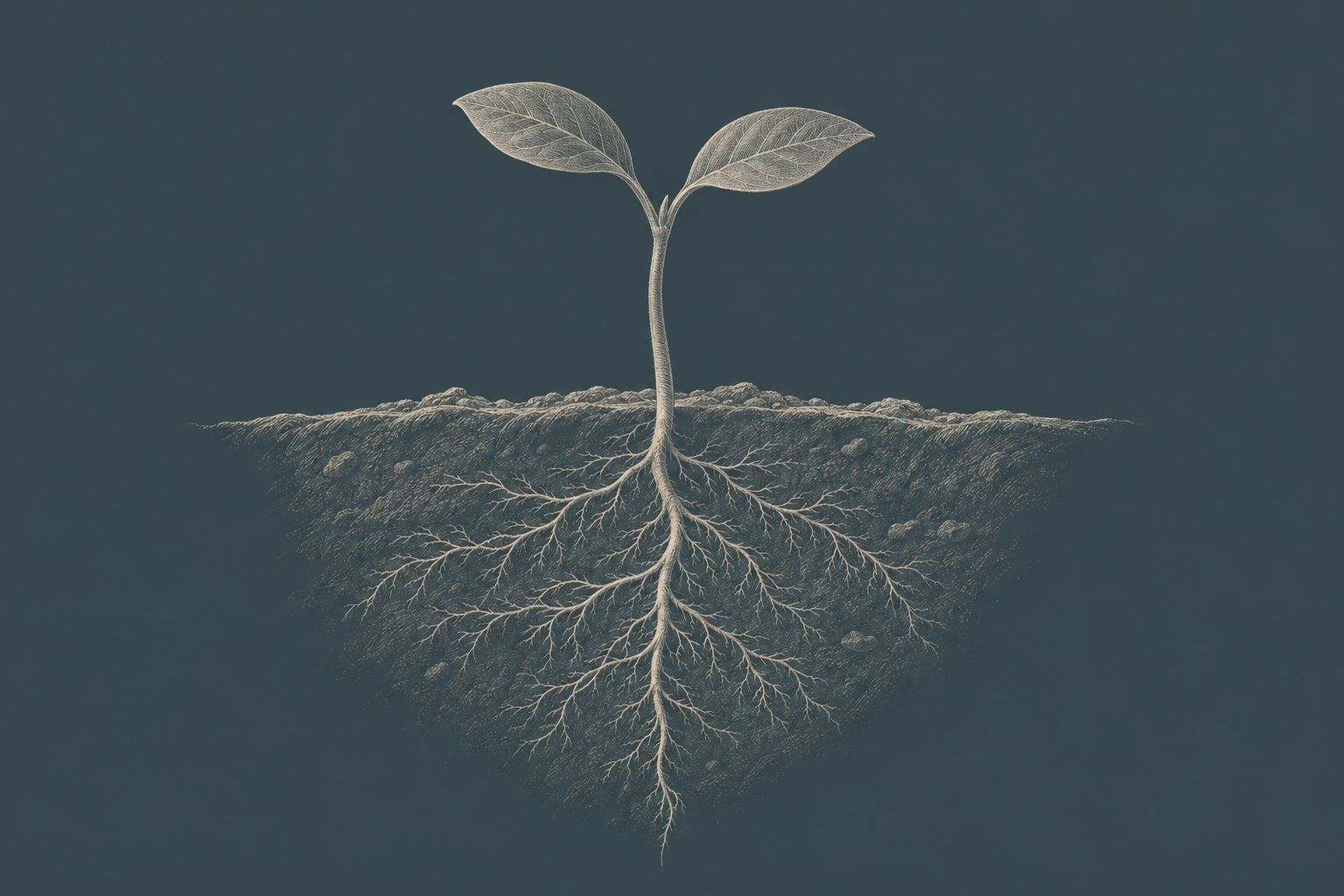
The same plant grows differently in compacted, depleted soil than in loose, well-nourished ground. For the follicle, the scalp is that soil.
A review published this year summarises that the microbial composition of the scalp changes in androgenetic alopecia. The paper discusses inflammatory processes around the follicle as a possible amplifier of miniaturisation (Gupta et al., 2026). The most consistent of these findings shows up primarily in men. Whether these changes are a cause or a consequence of miniaturisation remains an open question. With this body of evidence, we are firmly in the territory of a well-reasoned hypothesis.
After many years of working with ingredients, I consider the scalp to be the lever most frequently overlooked when it comes to hair density. That is my assessment as a chemist, not settled science. The phrase "healthy scalp, strong hair" still describes the underlying biology pretty accurately, in my view.
Plant extracts are being researched intensively in this context. A 2024 review compares numerous extracts, their constituent compounds, and the signalling pathways through which they act on the follicle (Choi et al., 2024). The bulk of these findings comes from cell culture and animal studies. Only a handful of extracts have been tested in humans. How thin such testing often is becomes clear with the example of pea sprout extract, which turns up in many hair products. A frequently cited study on it was conducted by the extract's own manufacturer and involved 21 volunteers who took it for eight weeks. The abstract makes no mention of a placebo control group (Grothe et al., 2020). That means we do not know whether, or to what degree, taking pea sprout extract actually affects the scalp and, ultimately, hair density. Data like these are a signal, but nowhere near proof. I also do not want to dismiss the study outright. My concern here is with the reliability and generalisability of the claims. This study represents a first step in that direction, and nothing more. Why does this matter? Because the manufacturer, if it chooses to, can print "clinically tested" on the packaging. A clinical test implies a positive effect, but it does not have to prove one.
And the shampoo from the television ad? It spends two minutes in contact with your scalp before you rinse it down the drain. For cleansing, that time is perfectly adequate. For delivering nutrients to a follicle, it is not, especially when regeneration takes months. Any treatment intended to reach the follicle needs contact time.
That the follicle itself is a pathway into deeper tissue was demonstrated by skin researchers at Berlin's Charité using a caffeine solution. With open follicles, caffeine was detectable in participants' blood after just five minutes; with blocked follicles, it took twenty (Otberg et al., 2008). Water-soluble vitamins such as biotin, niacin, and pantothenic acid are similarly small and similarly water-loving. I therefore consider it plausible that they travel the same route. How much of that actually reaches the hair root is, however, less well studied than nutrient supply through diet.
It was with this pathway in mind that I developed my hair serum CuraCap Pure, designed to fit easily into your daily routine. I have a financial interest in this serum, and you should know that. A hair serum is, of course, not a medication. What it does is deliver nutrients to your scalp day after day, and you do not rinse it out. Because consistency and regularity beat a single high dose in almost every case. A genetic predisposition is not something my serum can switch off. An iron deficiency is not something it can correct either. Anyone promising you a miracle from a serum is selling you hope by the kilogram. Christine and I have had good experiences with it. Those experiences are subjective and not backed by any scientific study. The shop delivers to Switzerland and Liechtenstein, and anyone wishing to order from the EU is welcome to get in touch.
What can you actually do about thinning hair?
The mechanism and your blood work together point to a sensible order of steps. One that stops you from spending money for the fifth time on a treatment that's addressing the wrong problem entirely.
- Document. Take a photo of your parting from above every four weeks, always in the same light. Also note down what happened in the three months before the shedding started. I know, you have to become a detective. But there's no way around it. Nobody knows you and your life as well as you do.
- Get your blood work done. Ferritin with CRP, TSH and a full blood count form the foundation. Everything else follows as needed.
- Ask about a trichoscopy. Especially if the parting is affected.
- Address confirmed deficiencies in a targeted way. Taking iron on a hunch is not something I'd recommend, because an excess is harmful to the body (Trost et al., 2006). So please find out what's actually missing first, and only then act.
- Care for your scalp consistently. Gently, regularly, and for at least three months.
You have to become a detective. Nobody knows you and your life as well as you do.
The patience a hair cycle demands is not a weakness of the method. It's rooted in the biology of hair. And any product that promises you visible results in two weeks is ignoring nature.
What about Minoxidil? For hereditary hair loss, it is the topically applied active ingredient. Its effect has been confirmed in double-blind studies (Price, 2003). In pooled comparisons, 26% of women using Minoxidil reported noticeably more hair growth, compared to 14% in the placebo group (van Zuuren et al., 2016). However, the effect only lasts for as long as you keep applying it. Stop the treatment and the gains are gone within a few months. In the first weeks of Minoxidil therapy, a temporary increase in shedding can occur. Some users also experience scalp irritation or fine facial hair growth (Herskovitz and Tosti, 2013). That is neither a reason to panic nor a reason to brush it off. Minoxidil is a pharmaceutical. It requires approval and a package insert that lists every known risk and side effect. Yes, you can use Minoxidil to stimulate hair growth. But equally, yes, you are making a decision to introduce a pharmaceutical active ingredient into your body over years, even if only into the scalp. Also keep in mind that our skin separates our interior from the outside world. It is a protective barrier we need to take care of. Far more, actually, than most of us do in everyday life. I am not advising you here either to use Minoxidil or to leave it alone. Questions like this call for individual decisions. In this case, you make that decision together and calmly with your dermatologist, with the package insert on the table. Not out of emotion, after reading a forum post at midnight.
I cover all of this in detail in my book "Bis in die Haarspitzen gesund", with dedicated sections on postpartum hair loss and hair loss during menopause. The book comes out on 9 February 2027. Head over to the book page and add your name to the list. You'll be among the first to know where to get it.
Hair density remains an equation with two variables, and there are levers for both. Which one is stuck in your case is not something any label in the drugstore aisle can tell you. A photo from above, a solid blood panel and a careful look at the scalp will.
My hair serum Pure. CuraCap Pure contains 7 ingredients: water, undenatured alcohol, Biotin, vitamins B3, B5 and B6, and vitamin C. No fragrance, no hormones. Apply one to three pipettes directly to the scalp each day, massage the serum in gently and leave it on. You'll find it at www.curacap.ch/en/shop/pure. We ship to Switzerland and Liechtenstein. If you're in Germany, Austria or elsewhere in the EU, add your name to the interest list in the shop. I'll be in touch.
FAQ
How many hairs a day is it normal to lose? Losing between 100 and 150 hairs a day is considered normal. More telling than the daily count is the trend over weeks and whether your parting is getting wider. A photo taken from above every four weeks will show you that far more reliably than counting.
Do hair grow back on their own after giving birth? In most cases, yes. A Japanese survey found that hair loss typically began just under three months after birth and had resolved after around eight months. If you are still losing noticeably more hair a year after giving birth, have your ferritin and TSH levels checked and speak with your doctor.
Does hair grow back thicker after menopause? The diffuse component often recovers once the underlying cause has been addressed, such as an iron deficiency. The hereditary component tends to progress without intervention. A realistic goal is therefore stabilisation first, followed by an improvement in density.
Does hormone replacement therapy help with thinning hair? There is no evidence that it benefits the hair. Hair specialists do not consider it appropriate for hair loss alone. Whether it makes sense for you for other reasons is something to discuss with your gynaecologist.
Can I tell the difference between diffuse and hereditary hair loss myself? You can gather some clues on your own. Loss spread across the whole scalp with a trigger two to three months earlier points to the diffuse form; a widening centre parting with finer hair points to the hereditary kind. A trichoscopy carried out by a dermatologist will give you a definitive answer.
When should I see a dermatologist about thinning hair? If the hair loss has been going on for more than six months, if you cannot identify a trigger, or if bald patches are forming. You should go sooner rather than later if your hairline is receding at the temples and forehead and your eyebrows are thinning at the same time.
References
- Birch MP, Messenger JF, Messenger AG. Hair density, hair diameter and the prevalence of female pattern hair loss. Br J Dermatol. 2001;144(2):297–304. PubMed 11251562
- Malkud S. Telogen Effluvium: A Review. J Clin Diagn Res. 2015;9(9):WE01–3. PubMed 26500992
- Price VH. Androgenetic alopecia in women. J Investig Dermatol Symp Proc. 2003;8(1):24–7. PubMed 12894991
- Gizlenti S, Ekmekci TR. The changes in the hair cycle during gestation and the post-partum period. J Eur Acad Dermatol Venereol. 2014;28(7):878–81. PubMed 23682615
- Hirose A, Terauchi M, Odai T, Fudono A, Tsurane K, Sekiguchi M, et al. Investigation of exacerbating factors for postpartum hair loss: a questionnaire-based cross-sectional study. Int J Womens Dermatol. 2023;9(2):e084. PubMed 38323220
- Trost LB, Bergfeld WF, Calogeras E. The diagnosis and treatment of iron deficiency and its potential relationship to hair loss. J Am Acad Dermatol. 2006;54(5):824–44. PubMed 16635664
- Nguyen CT, Mestman JH. Postpartum Thyroiditis. Clin Obstet Gynecol. 2019;62(2):359–364. PubMed 30844908
- Chaikittisilpa S, Rattanasirisin N, Panchaprateep R, Orprayoon N, Phutrakul P, Suwan A, et al. Prevalence of female pattern hair loss in postmenopausal women: a cross-sectional study. Menopause. 2022;29(4):415–420. PubMed 35357365
- Birch MP, Lalla SC, Messenger AG. Female pattern hair loss. Clin Exp Dermatol. 2002;27(5):383–88. PubMed 12190638
- Herskovitz I, Tosti A. Female pattern hair loss. Int J Endocrinol Metab. 2013;11(4):e9860. PubMed 24719635
- Ludwig E. Classification of the types of androgenetic alopecia (common baldness) occurring in the female sex. Br J Dermatol. 1977;97(3):247–54. PubMed 921894
- Kamp E, Ashraf M, Musbahi E, DeGiovanni C. Menopause, skin and common dermatoses. Part 1: hair disorders. Clin Exp Dermatol. 2022;47(12):2110–2116. PubMed 35796569
- Mirmirani P. Hormonal changes in menopause: do they contribute to a 'midlife hair crisis' in women? Br J Dermatol. 2011;165 Suppl 3:7–11. PubMed 22171679
- Lee J, Krishnegowda R, Miteva MI. Hormone Replacement Therapy and Hair: A Review for Trichologists Treating Menopausal Women. Dermatology. 2026;242(3):264–267. PubMed 41719205
- Vañó-Galván S, Molina-Ruiz AM, Serrano-Falcón C, Arias-Santiago S, Rodrigues-Barata AR, Garnacho-Saucedo G, et al. Frontal fibrosing alopecia: a multicenter review of 355 patients. J Am Acad Dermatol. 2014;70(4):670–678. PubMed 24508293
- Li D, Radulescu A, Shrestha RT, Root M, Karger AB, Killeen AA, et al. Association of Biotin Ingestion With Performance of Hormone and Nonhormone Assays in Healthy Adults. JAMA. 2017;318(12):1150–1160. PubMed 28973622
- Gupta AK, Teasell EM, Liddy A, Economopoulos V. Scalp Microbiome Alterations in Androgenetic Alopecia: Patterns and Emerging Mechanistic Insights. Int J Dermatol. 2026;65(9):1828–1837. PubMed 41823643
- Choi JY, Boo MY, Boo YC. Can Plant Extracts Help Prevent Hair Loss or Promote Hair Growth? A Review Comparing Their Therapeutic Efficacies, Phytochemical Components, and Modulatory Targets. Molecules. 2024;29(10). PubMed 38792149
- Grothe T, Wandrey F, Schuerch C. Short communication: Clinical evaluation of pea sprout extract in the treatment of hair loss. Phytother Res. 2020;34(2):428–431. PubMed 31680356
- Otberg N, Patzelt A, Rasulev U, Hagemeister T, Linscheid M, Sinkgraven R, et al. The role of hair follicles in the percutaneous absorption of caffeine. Br J Clin Pharmacol. 2008;65(4):488–92. PubMed 18070215
- van Zuuren EJ, Fedorowicz Z, Schoones J. Interventions for female pattern hair loss. Cochrane Database Syst Rev. 2016;2016(5):CD007628. PubMed 27225981
Dr Holger Scheib is a chemist and Honorary Associate Professor at the University of Queensland. As “The HealthChemist” he translates research on ingredients and nutrition into plain language. More about me
Shall I send you the next article?
I write irregularly but thoroughly: new articles, honestly sorted into proven, plausible and hypothesis. No spam, no sales funnel.
Last updated: 16 November 2026