About

Dr Holger Scheib

Chemist, entrepreneur, teacher and author.

Who I am

I am a chemist, more precisely a computational chemist. On the computer I study how proteins and small molecules act in the body, right down to their toxic mechanisms. For twenty years that was my work, in research, in industry and in the lecture hall. And at its core it has stayed the same. I want to know what a substance really does.

I'm not an influencer. I'm a chemist. My mission is simple at heart: what is claimed, and what is actually backed by science? And it is not only about hard facts. I'm just as interested in the single case, the new lead and the perhaps contested idea.

At some point, explaining alone was no longer enough for me. I wanted my knowledge to turn into something that arrives in everyday life: a product, an app, a book. Throughout, I have remained a scientist, and my standard of quality is the same. Only the field to which I apply it has changed.

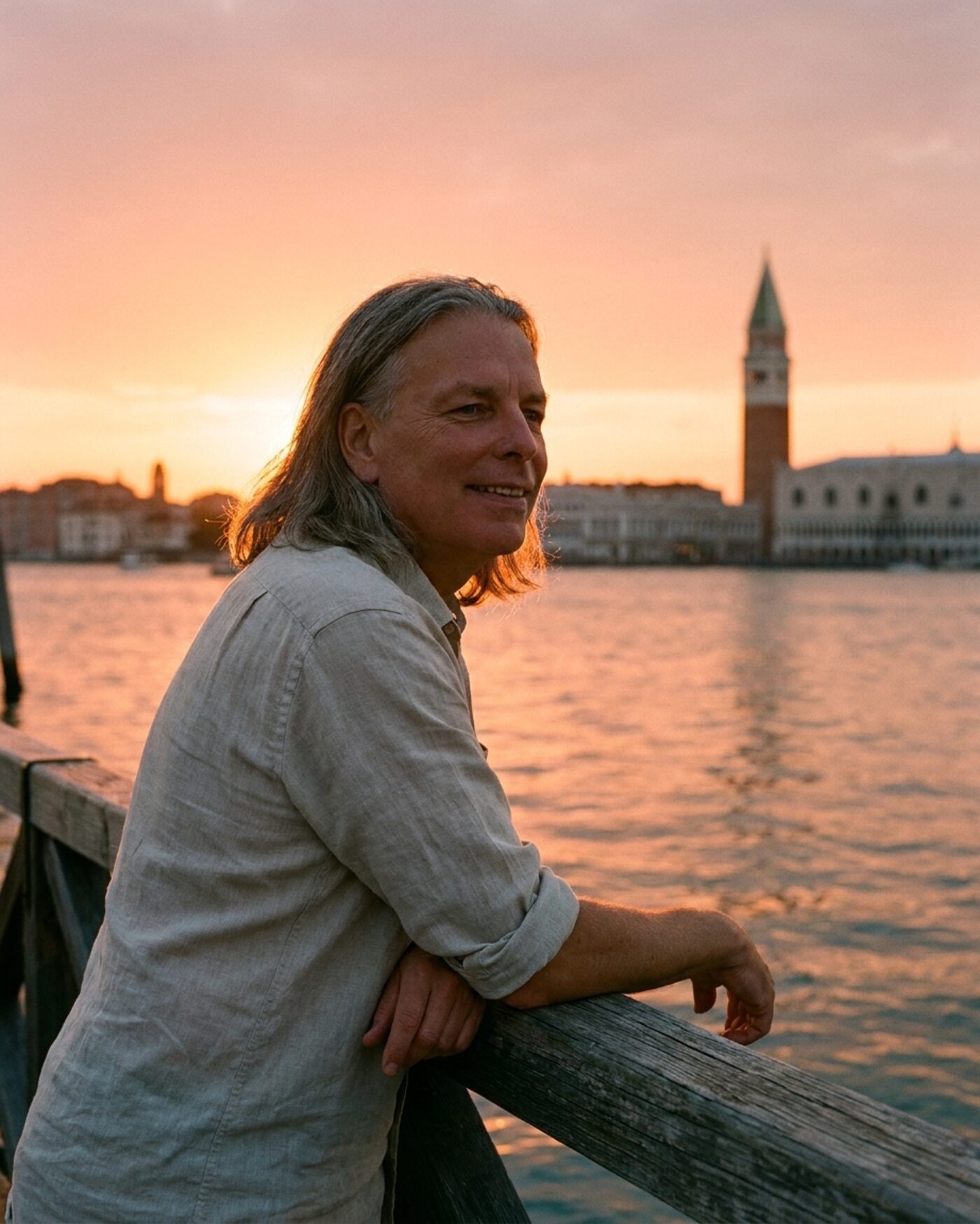
Dr Holger Scheib at the Lido di Venezia, Venice in the evening light behind him.

Science

Where I learned to read the evidence

I earned my doctorate at the University of Stuttgart, my Master of Science at the University of Cincinnati and my teaching diploma in Zurich. After that I spent two decades researching at the interface of chemistry, biology and computer science. Along the way I studied a whole range of biochemical processes, from the structure of sodium channels to the evolution of entire venom systems.

I worked at GlaxoSmithKline in Geneva and at the Nestle Research Center, where I led Computational Molecular Sciences. Before that I was Head of Structural Bioinformatics at the University of Geneva and a Senior Scientist at the Swiss Institute of Bioinformatics. I have remained connected to the University of Queensland as an Honorary Associate Professor to this day, and since 2008 I have taught chemistry at the Kantonsschule Solothurn.

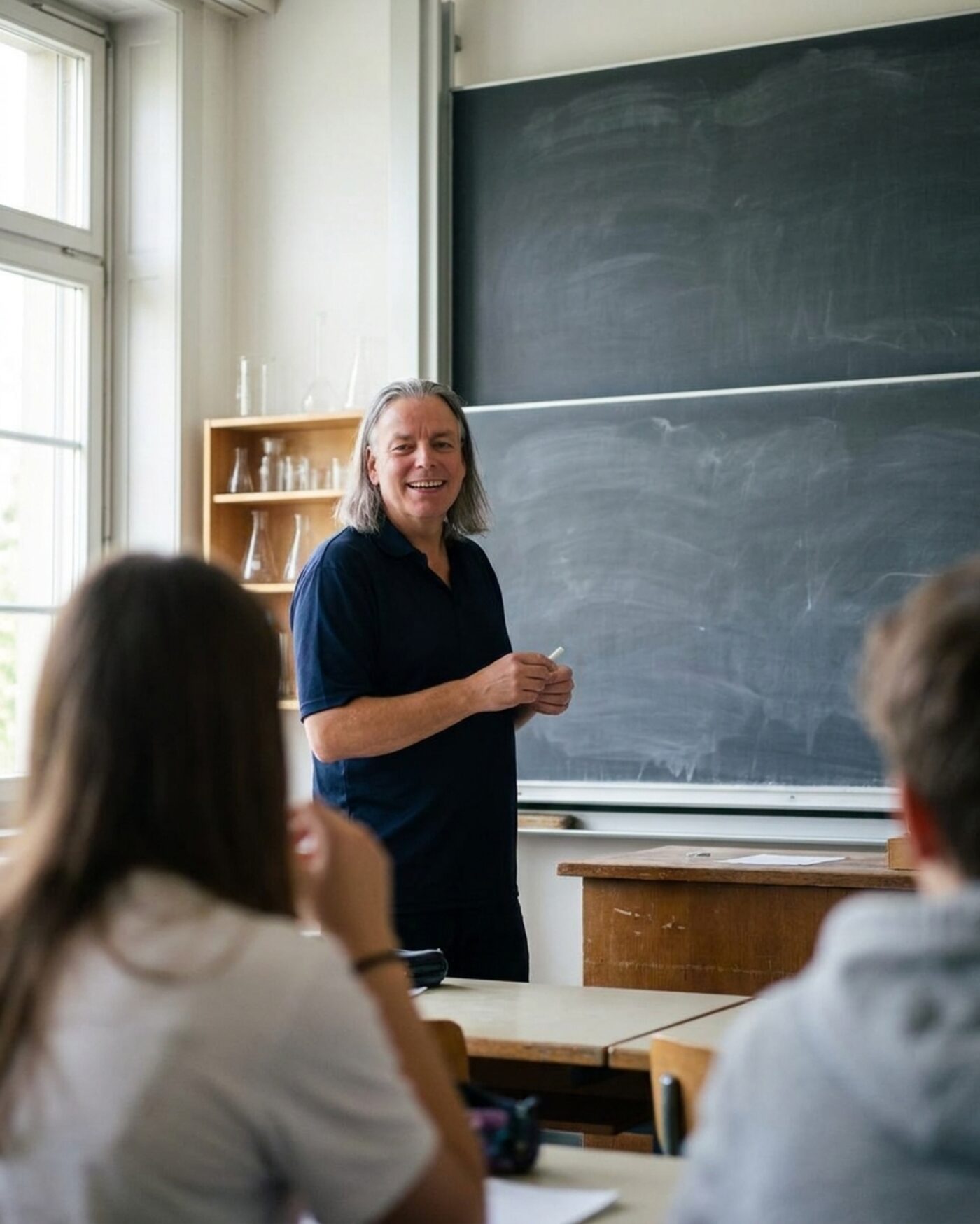
Dr Holger Scheib teaching chemistry at a classroom blackboard.

Two highlights

Two papers I'm especially proud of

Nature · 2006

One question drove me as a scientist more than any other: when did nature first hit upon using venom to hunt and to defend itself? For decades it was known that modern snakes and their distant relatives, the lizards, are venomous. Both groups, snakes as well as lizards, belong to the order of scaled reptiles. Since their lineages split many millions of years ago, science long assumed that venom was a case of so-called convergent evolution, much like the eye in mammals and squid. Convergent evolution means that nature arrives at a very similar solution twice, along completely separate paths.

In this paper we describe the opposite, pushing the evolutionary story back by at least 100 million years. The principle of venom in reptiles, so fundamental and so feared in our world, must go back to a single, long-extinct ancestor. The venom cocktails of snakes and lizards are simply too alike.

This work was groundbreaking for several reasons. For me, the most fascinating thought is that, at the point in time we discuss, some 200 million years ago, we find ourselves in the age of the dinosaurs …

To the paper

PNAS · 2009

For a long time a gruesome story clung to the Komodo dragon: that it kills its prey with a mouth full of bacteria, to whose infection the animal slowly succumbs. We measured, and sent that story into the realm of legend. In truth the largest living monitor lizard, like snakes and other lizards, carries real venom that switches off blood clotting and sends the circulation into shock. In this paper we also discuss the largest extinct relative of the Komodo dragon. Megalania grew to about five metres long and weighed several hundred kilograms. That made it, in all likelihood, the largest venomous animal the Earth has ever seen.

To the paper

Publications

A selection of my own work

Review articles

Ventures

When knowledge becomes products

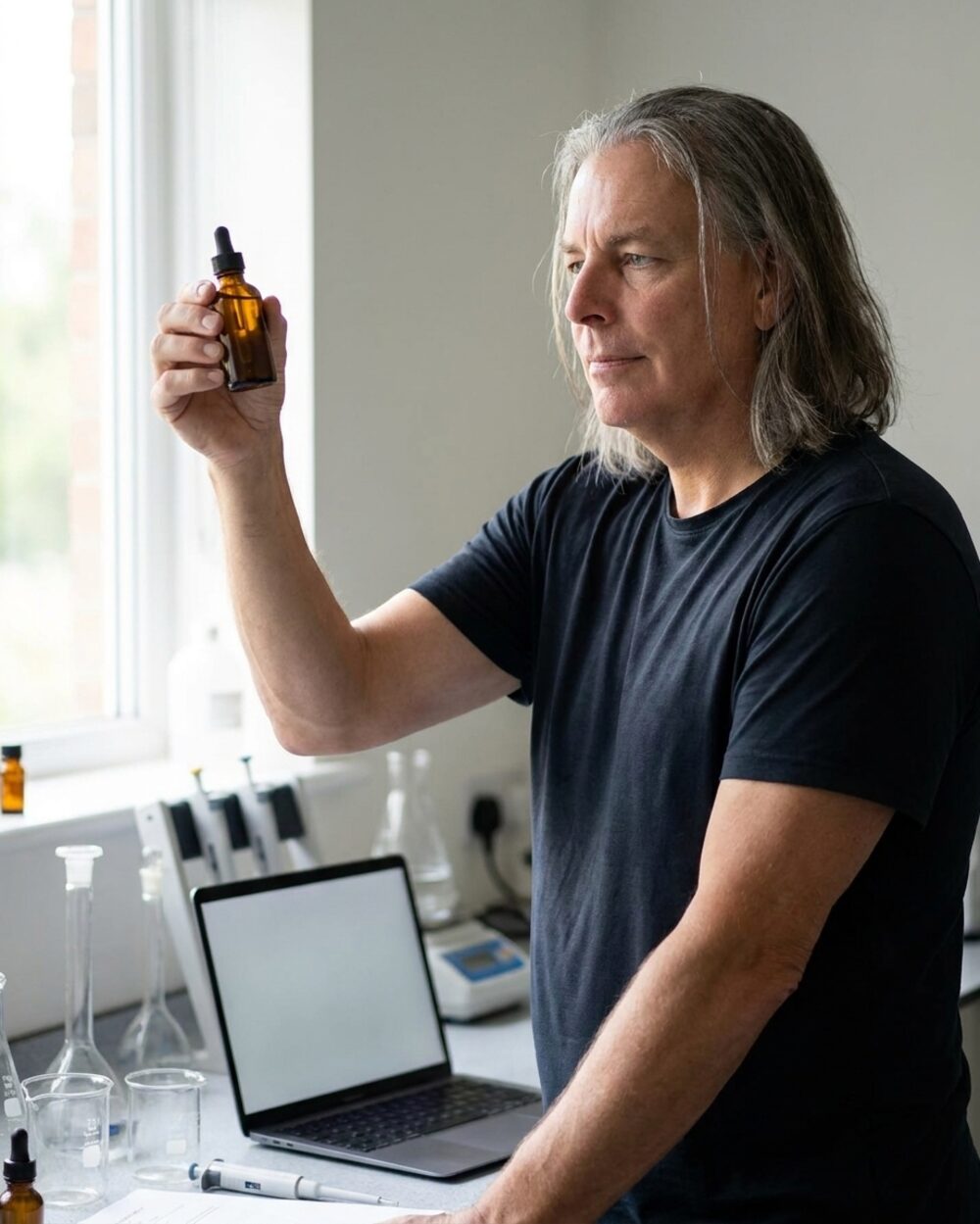
Dr Holger Scheib holding an amber dropper bottle up to the light at a laboratory bench.

CuraCap

I am the founder and managing director of CuraCap, where we develop serums for your hair and scalp and take a completely different approach from most of the beauty industry. With us, less is more. We focus on a few pure, highly dosed natural ingredients and at the same time leave out everything that might become unpleasant for you. We start at the scalp, not the hair. Hair is dead keratin, the scalp by contrast is living tissue. And you can only treat what is alive. Here I write as a chemist about ingredients and their biochemistry; the hair serums and how they work I talk about over there.

curacap.biz
Dr Holger Scheib discussing something on a smartphone with a friend at the kitchen table.

Naviyara

Together with my friend Stefan I'm building Naviyara, a nutrition and shopping app that helps you understand and improve your diet and body care. It gives you the data you need and supports you in making conscious consumption decisions, from the supermarket to the plate to the bathroom. Whatever goes into the app has to withstand the same quality check as everything I write here. Because we want you to learn so much through Naviyara that you can one day delete our app.

naviyara.com
Dr Holger Scheib writing at a wooden table, a laptop and a cup of tea beside him.

Book

Bis in die Haarspitzen gesund

Hair loss and scalp problems: understanding, preventing, treating

There is a lot of talk around hair and scalp, a lot of promises, and a lot being sold. What holds up is hard to tell from the outside. I want to help you find your way through this jungle.

Sample

Despite his immense ambition, his political and military talent and, at his peak, his almost unlimited power, Julius Caesar could not control one aspect of his life: his hair loss. In his “Lives of the Caesars”, written around 121 AD, Suetonius records Caesar's partial baldness. Out of embarrassment, Caesar combed his remaining hair forward and across his crown to hide the bald patches. Hair loss, and the psychological burden that comes with it, is as old as human civilisation, and it can affect anyone.
From the preface. The book is written in German.
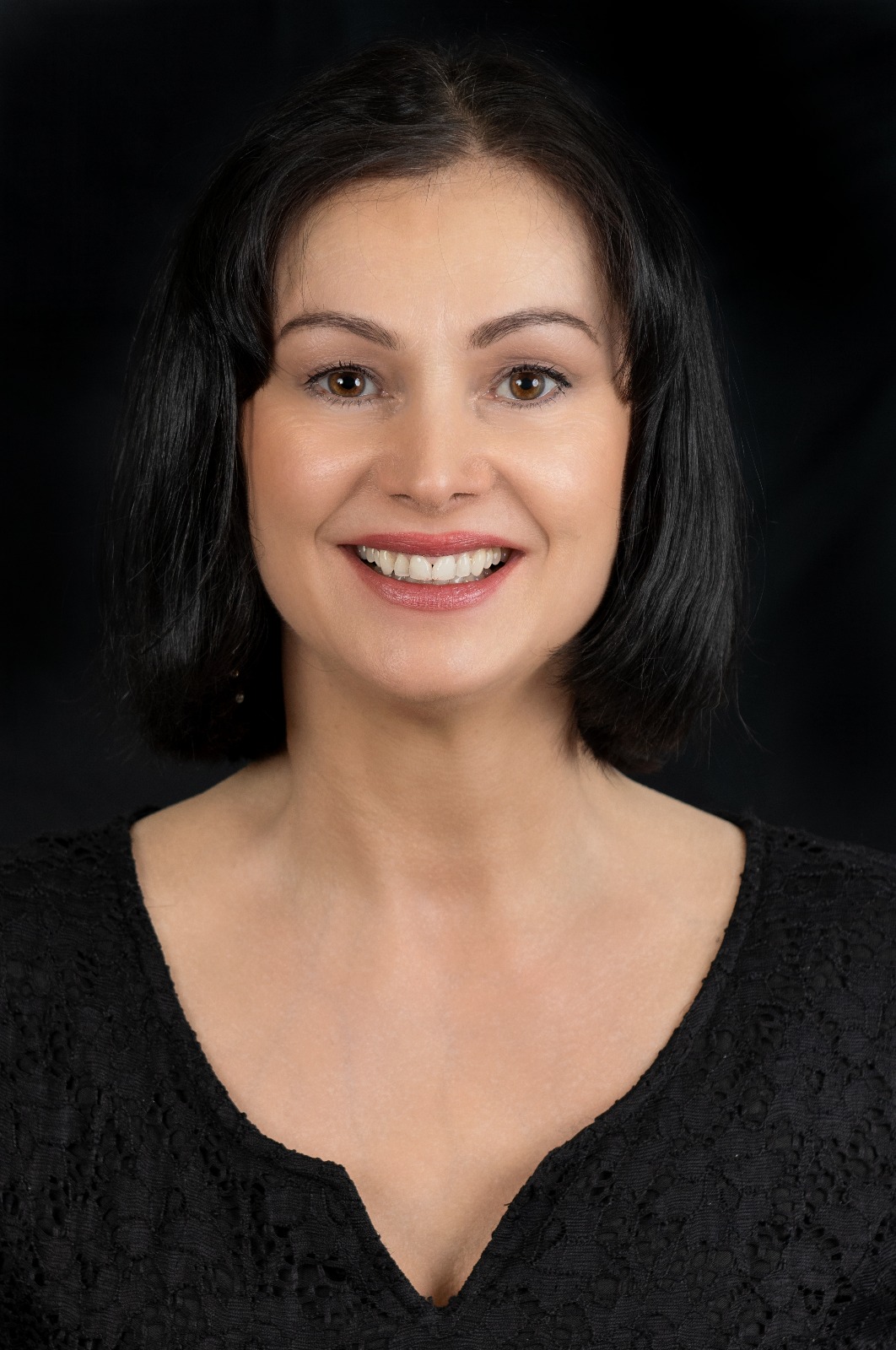
Christine Scheib, developer of the FACE-Methode®, portrait.

By my side

The strong woman beside and behind me

My wife Christine works on and with faces, while I deal with what enters our body. Christine is the developer of the FACE-Methode® and founder of the FACE Institute. The FACE-Methode® is targeted, natural facial muscle training, tailored to your face and working entirely without injections or surgery. We are both interested in nutrition and in the biochemical and physiological background of health and beauty. And despite the unmistakable synergies we use every day, each of us remains an expert in our own field.

See Christine's work

Come along

In the end, my knowledge should be of use to you in your everyday life. In my blog articles I take on individual ingredients in foods and everyday products and examine how they affect our body. So that you can decide for yourself what you let onto and into your body.

To the blog